
Case study · 04 / 2024 · MLOps · Time Series
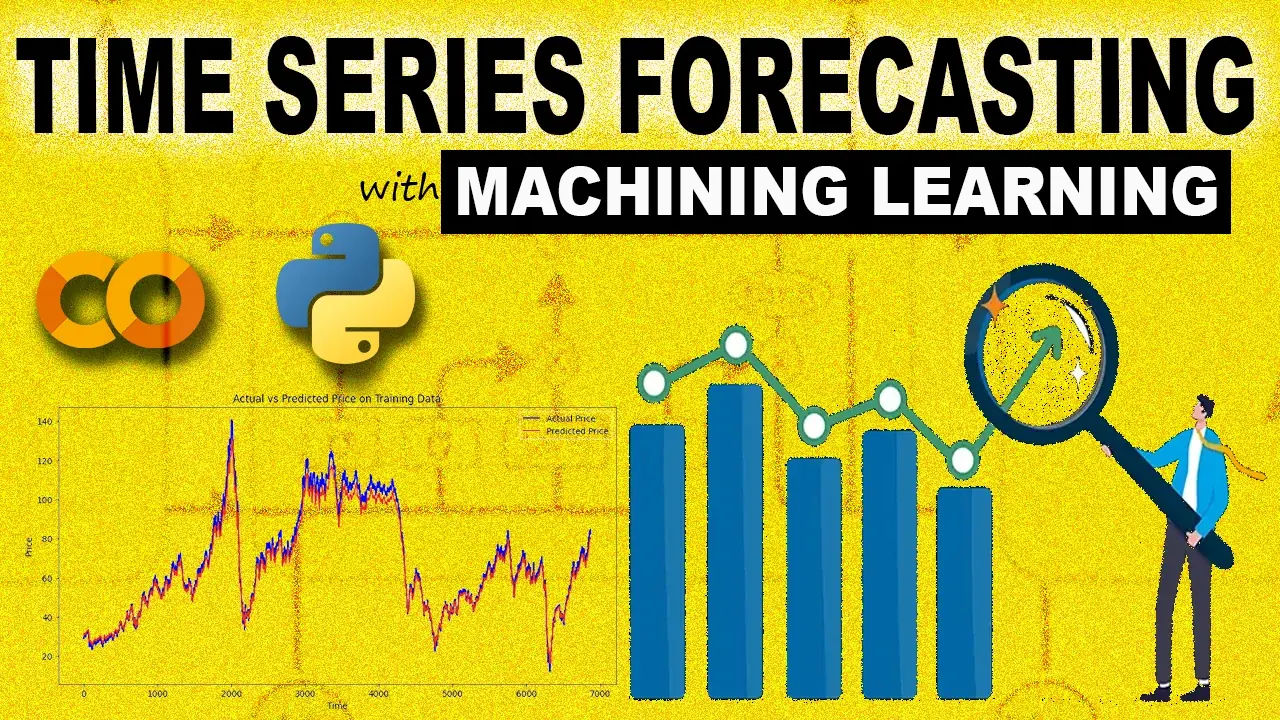
Time-series forecasting with LSTM networks, wrapped in a production-grade CI/CD pipeline so every model change ships through automated tests.
- Role
- MLOps · Time Series
- Year
- 2024
- Outcome
- 95% Test Coverage
- Architecture Stack
- LSTMTensorFlowGitHub ActionsDocker
01 / Context & Problem Statement
Accurate demand forecasting is critical to optimizing inventory management and reducing stockout risks. This project implements a time-series forecasting model using LSTM networks to predict future demand and crude oil price trends, wrapped in a production-grade MLOps pipeline.
02 / System Architecture & Pipeline Flow
Time-Series Windowing & Scaling
Ingests historical crude oil prices, handles missing ticks, and builds sliding lookback tensors.
Stacked LSTM Sequence Model
Trains multi-layer Long Short-Term Memory networks with dropout regularization in TensorFlow/Keras.
Pytest Harness (95% Coverage)
Validates data shapes, model convergence bounds, and FastAPI endpoint contracts on every git push.
Docker & GitHub Actions Release
Builds reproducible inference containers and verifies health checks automatically in CI/CD.
03 / Engineering Approach
Built using TensorFlow/Keras for LSTM training and evaluation. Served the inference model via a RESTful FastAPI backend. The project highlights MLOps best practices with over 95% test coverage, comprehensive unit testing (for preprocessing, training, inference, and endpoints), and a fully automated CI/CD pipeline built with GitHub Actions that runs tests and packages the system inside Docker containers on every release.
04 / Key Engineering Deliverables
- End-to-end LSTM time-series training and evaluation pipeline in TensorFlow
- 95% unit & integration test coverage across preprocessing and FastAPI routes
- Automated GitHub Actions workflow with Dockerized deployment verification
05 / Engineering Reflection
"Shipping a model is only 10% of the work. Automating model testing, data drift checks, and containerized deployments taught me how to construct stable CI/CD pipelines that ensure machine learning models perform reliably in production."