
Case study · 05 / 2023
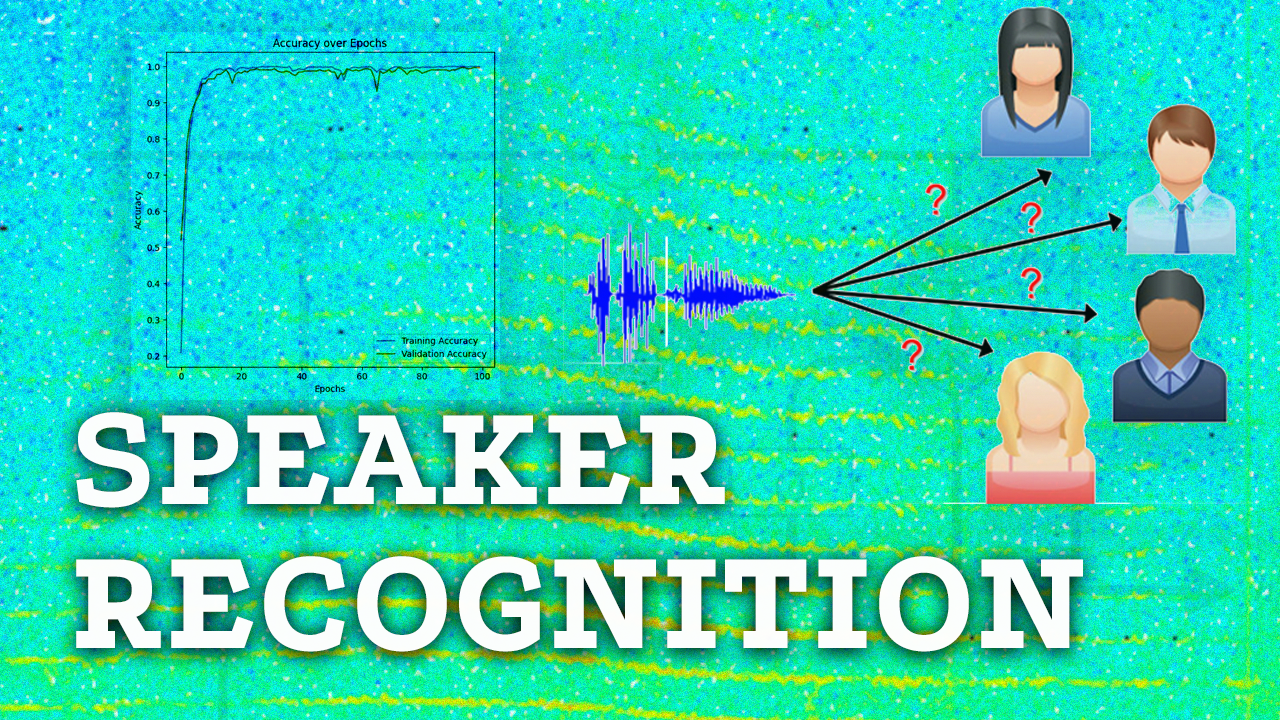
SpeakerRecognitionA voice identification system that learns speaker fingerprints from MFCC audio features and LSTM networks — biometric auth from short voice samples.
- Role
- Audio · Deep Learning
- Year
- 2023
- Stack
- MFCC · LSTM · PyTorch · Flask
- Outcome
- Audio Biometrics
Context
Biometric security requires lightweight, fast, and secure authentication. This project develops a voice biometrics system that extracts unique speaker fingerprints from raw audio recordings to perform real-time speaker identification.
Approach
Extracted Mel-Frequency Cepstral Coefficients (MFCC) from audio inputs to capture acoustic voice features. Trained an LSTM (Long Short-Term Memory) neural network in Python using PyTorch to learn sequence-based speaker signatures. Deployed the model using Flask, creating a simple web dashboard where users can record voice samples and perform biometric verification in seconds.
Outcome
Audio Biometrics.
Reflection
Voice biometric signals are highly sensitive to background noise. Implementing robust audio preprocessing (noise gate, normalization) before feature extraction was key to achieving stable recognition accuracy from short voice clips.